First impressions matter immensely in bustling hotels, trendy boutique spaces, and high-traffic restaurants. The moment a guest steps into your venue, the lobby chairs, barstools, and dining tables set an immediate tone. Knowing exactly what to look for when choosing hospitality furniture prevents extremely costly commercial design mistakes down the road.
Residential furniture often fails quickly in commercial environments because it lacks reinforced structural integrity. A standard living room accent chair isn’t built to host dozens of different people every single day of the week. To protect your long-term capital investment, property managers and owners must prioritize structural strength over initial visual appeal.
When sourcing hospitality furniture in Spokane, local business owners frequently partner with Freeform to navigate these exact durability requirements. Freeform’s extensive product catalog features commercial-grade furniture built explicitly to withstand constant public use without showing immediate wear.
Industry Certifications and Material Standards
When evaluating furniture frames, look for specific industry certifications from established organizations like the Business and Institutional Furniture Manufacturers Association (BIFMA).
These rigorous testing standards guarantee that frames, joints, and mechanisms can handle extreme weight and repetitive movements.
- Wood Joints: Should feature heavy-duty dowels, industrial-grade glue, and corner blocks for maximum long-term stability.
- Metal Frames: Require heavy-gauge steel or aluminum with reinforced welding points to prevent sudden structural failures under pressure.
- Surface Finishes: Dictate how long a piece will survive in a busy public setting. Tables require high-pressure laminate (HPL) tops or catalyzed polyurethane finishes to resist scratches from luggage, keys, and dishware. Powder-coated metal legs resist chipping far better than standard painted surfaces in high-traffic dining rooms.
| Feature | Residential Grade | Commercial Grade (Freeform Standard) |
| Frame Testing | Light wear, minimal weight testing | BIFMA certified for continuous heavy use |
| Joinery | Standard screws and basic wood glue | Heavy-duty dowels, corner blocks, reinforced welds |
| Finishes | Standard paint or light varnish | High-pressure laminates, powder coatings |
| Warranty | 1-2 years (often voided if used commercially) | 5-10+ years commercial warranty |
Selecting High-Performance Upholstery: Key Factors for Contract Furniture
Fabric choices dictate both the lifespan and the daily maintenance schedule of your commercial hospitality seating. Public environments expose chairs to frequent coffee spills, rough luggage scrapes, and constant physical friction.
To secure longevity, textiles must be evaluated based on their double-rub count, which measures proven abrasion resistance over time. For heavy commercial use, industry experts recommend performance fabrics exceeding 50,000 double rubs on the Wyzenbeek scale.
Freeform’s specialized procurement team excels at sourcing textiles that balance beauty with absolute utility. Performance fabrics treated with chemical moisture barriers prevent liquids from reaching the interior foam cushion. Solution-dyed acrylics offer excellent fade resistance if you place seating near large, sunny windows, while vinyl and polyurethane faux leathers provide easy wipe-down capabilities for high-turnover restaurant dining rooms.
Additionally, always test how easily your cleaning staff can remove common stains like red wine, oil, or ketchup. Darker patterns and textured weaves naturally hide minor spots between scheduled deep-cleaning sessions. Sourcing furniture with removable cushion covers allows for quick washing or affordable replacement if permanent damage eventually occurs.
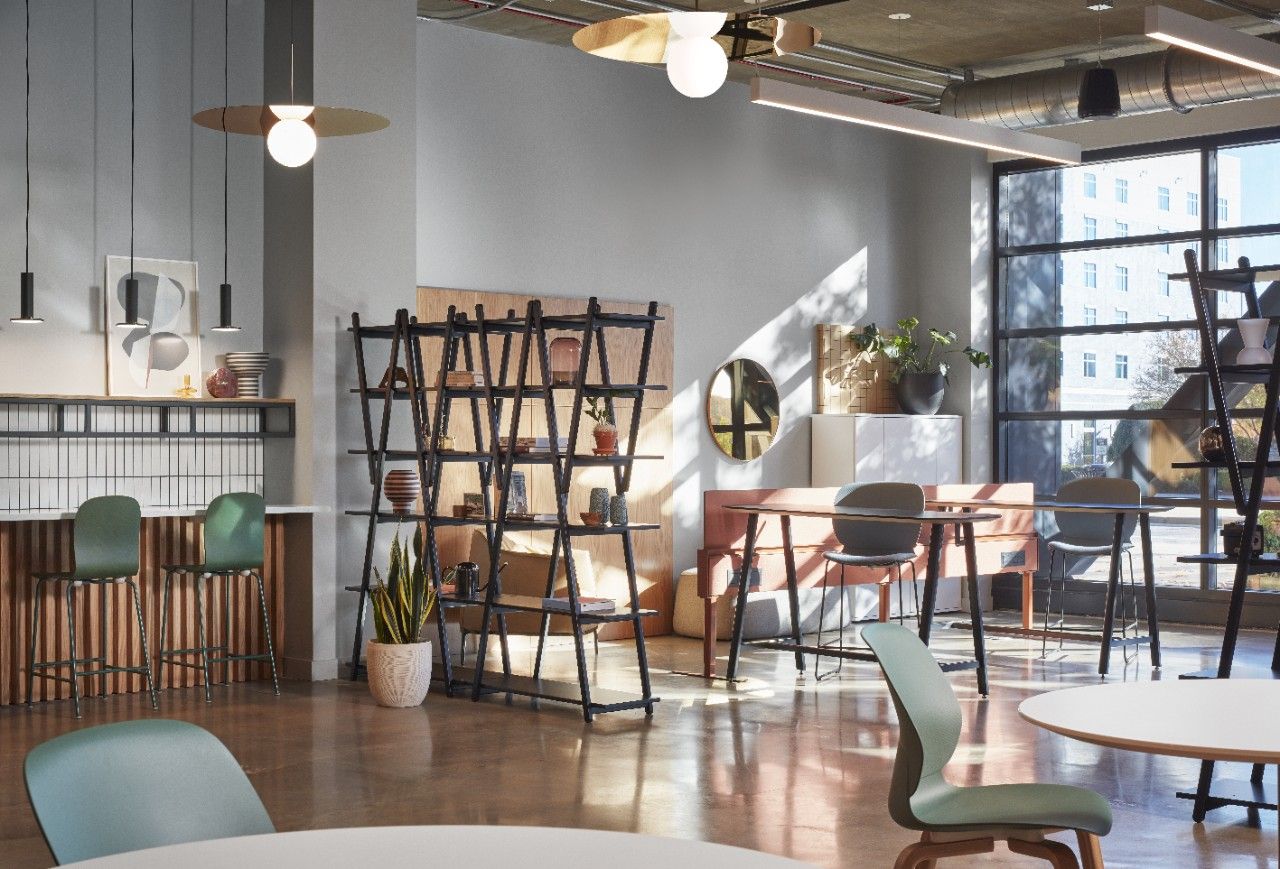
Focusing on Guest Comfort: What to Consider When Choosing Hospitality Furniture
A beautiful chair loses its appeal immediately if it causes discomfort or back pain. Proper ergonomics play a massive role in how visitors perceive the overall quality of your property. When patrons feel completely relaxed, they stay longer, enjoy themselves more, and ultimately spend more money at your establishment.
Standard dining chairs need a seat height around 18 inches to fit commercial tables perfectly. Lounge seating requires a slight backward pitch so guests can recline comfortably while reading, working on a laptop, or talking.
Foam density determines whether a seat cushion collapses completely after a few short months of use. Look for high-resiliency commercial foam with a density rating of at least 2.0 pounds per cubic foot.
Proper armrest height and strategic lumbar support encourage patrons to relax fully in your space. Deep, plush sofas might look incredibly inviting in a catalog, but older guests or those with limited mobility often struggle to stand up from them. Providing a thoughtful mix of seating depths and styles makes sure you accommodate all body types and physical mobility levels.
Aligning Commercial Furniture: Brand Identity and Aesthetics
Your physical space serves as a three-dimensional representation of your corporate brand story. Every table, barstool, and lobby sofa communicates a distinct message to your arriving guests. A luxury mountain resort requires vastly different styling, materials, and textures than a quirky downtown boutique hotel.
When refreshing hospitality furniture in Richland, local venues often rely on Freeform’s in-depth interior design expertise to make sure their aesthetic choices remain relevant, timeless, and perfectly aligned with their brand identity.
Visual consistency across your entire property creates a cohesive and memorable experience for visitors. You can mix materials, like distressed leather, brushed brass, and natural wood, for visual interest, but these varied elements must share a common design language to avoid looking chaotic.
Pay close attention to the psychological impact of color within your main public gathering spaces. Warm tones encourage lively social interaction in restaurants, while cool blues and muted grays promote relaxation in spa areas and hotel rooms. Custom finishes allow you to match your exact corporate color palette throughout the building, enhancing the existing architectural features.
Where Hospitality Furniture Has to Perform
Hotel brands judge furniture designed for lodging zone by zone. Guest rooms rely on casegoods, the dressers, headboards, and desks that anchor each guestroom, and case goods take more daily abuse than any lounge chair.
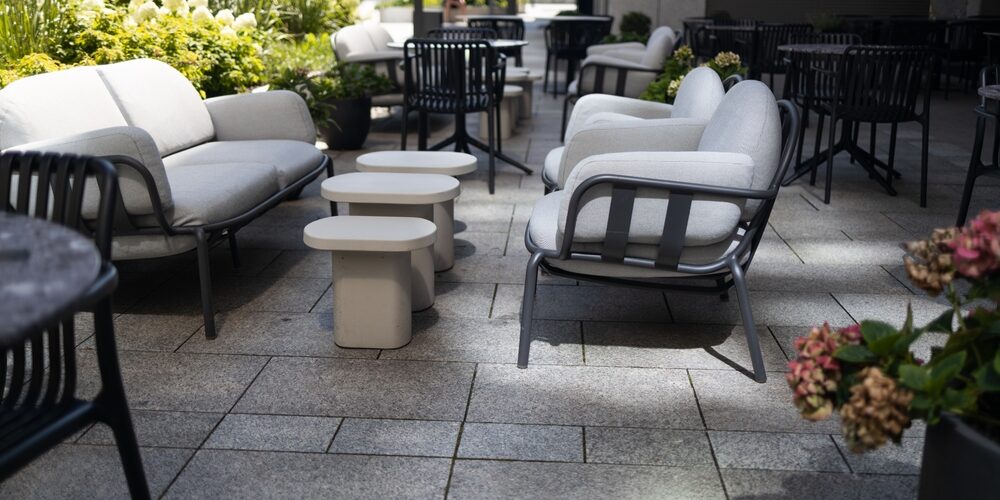
Public spaces set the tone for upscale hospitality: a stylish lobby grouping, a premium banquette or booth in the dining room, and outdoor furniture that shrugs off the weather. Furniture for hotels and furniture for restaurants share the same rule: durable construction first, elegance layered on top.
Senior living communities push the requirements further, adding easy-transfer arms and cleanable textiles. High-end hospitality designers, and manufacturers like Bernhardt known for craftsmanship and design innovation, release new introductions every market season. A fully custom program or custom FF&E package is often the answer when a flagship property needs something nobody else has, and Freeform’s FF&E solutions and custom furniture solutions cover that capability end to end.
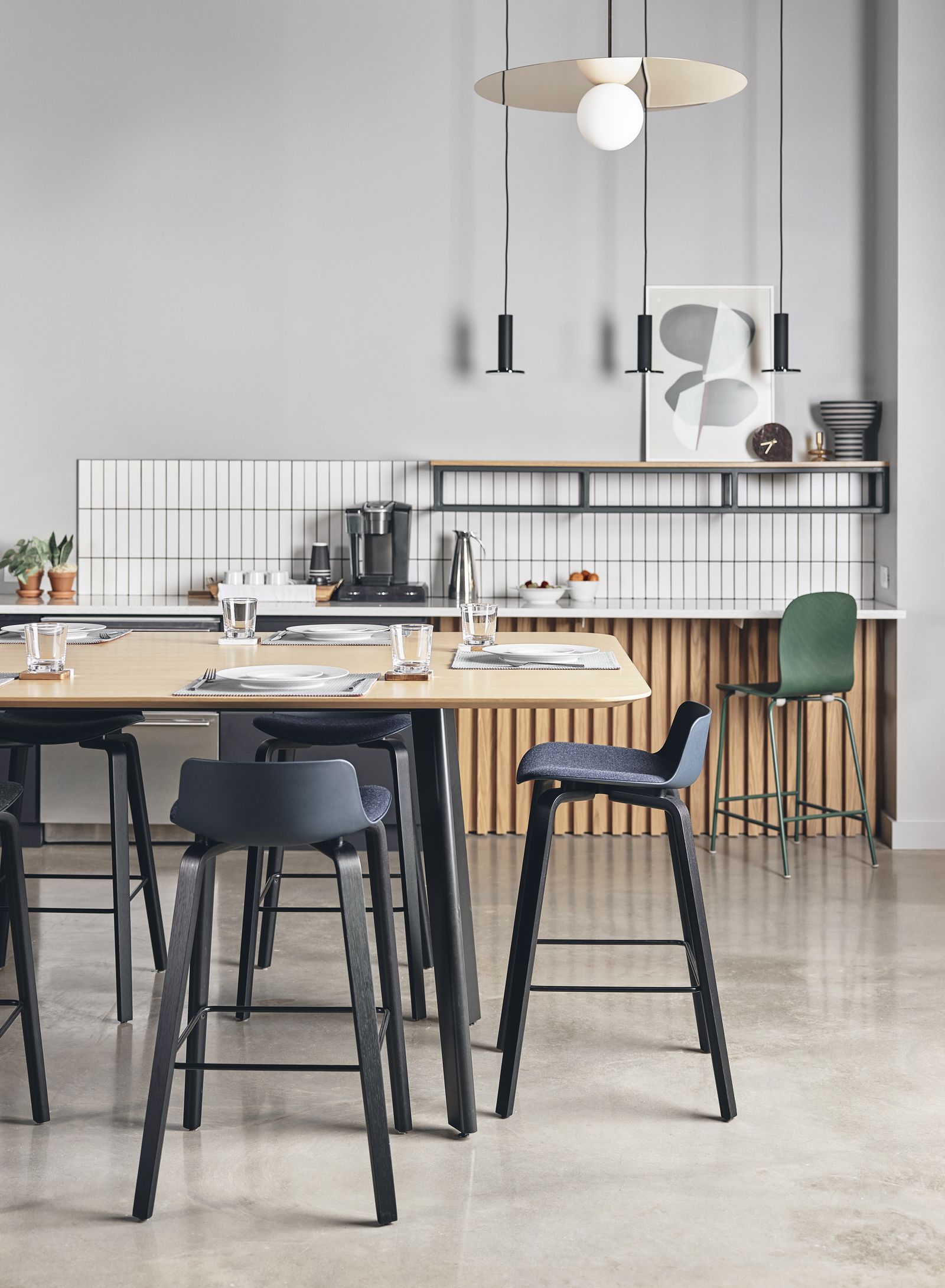
How to Test Hospitality Furniture Samples
Before committing to a high-volume purchase, it is highly recommended to put your top options through a real-world evaluation process:
- Request Physical Prototypes: Always order a physical sample of the chair or table before signing off on a large purchase order. Place the prototype in the actual room to see how your local lighting affects the fabric color and texture.
- Conduct a Sit Test: Have multiple staff members of different heights and weights sit in the chair for at least twenty minutes each. Pay close attention to whether the foam compresses too much or if the seat edges dig into the legs.
- Perform Maintenance Trials: Apply common substances like coffee, wine, or ketchup directly to the fabric and ask your cleaning crew to remove them using standard housekeeping protocols.
Sustainability and Environmental Impact: Eco-Friendly Hotel Furniture Solutions
Modern consumers care deeply about the environmental footprint of the hospitality brands they choose to support. Choosing sustainable materials shows a clear commitment to corporate social responsibility and environmental protection. Many manufacturers now use recycled ocean plastics, reclaimed industrial wood, and low-VOC (volatile organic compound) finishing chemicals to improve indoor air quality.
Look for official certifications from the Forest Stewardship Council (FSC) to verify responsible wood sourcing. These eco-friendly choices provide the exact same commercial durability as traditional manufacturing methods while protecting natural resources.
Furthermore, buying high-quality pieces inherently reduces global waste by keeping bulky items out of landfills longer. Cheap, poorly made “fast furniture” breaks down quickly, creating a constant, expensive cycle of disposal and replacement. Investing in structural longevity is one of the most effective and practical sustainability strategies available to business owners today.
Optimizing Space Planning: Traffic Flow and Layout
Beautiful lobby chairs mean absolutely nothing if your guests and staff cannot walk past them easily. Strategic space planning dictates how people move naturally through your hotel lobby, busy restaurant, or outdoor lounge. You must leave adequate floor clearance for rolling luggage carts, wheelchairs, and busy food service trays.
A crowded dining room frustrates both your paying patrons and your service staff. Standard commercial guidelines suggest leaving at least 36 inches of space between back-to-back dining chairs to allow for smooth traffic flow. For casual lounge areas, group seating in small, intimate clusters to encourage quiet conversations among guests.
Freeform’s workplace and space planning services utilize advanced spatial mapping to optimize layouts long before the furniture arrives. Flexible arrangements allow your management staff to accommodate different group sizes effortlessly throughout the day. Modular sofas and lightweight nesting tables give you ultimate control over the entire floor plan, allowing it to shift quickly for special corporate events, weddings, or holiday parties.
Calculating Total Cost of Ownership: Budgeting for Hospitality Furnishings
Budgeting for commercial interiors involves much more than reviewing the initial purchase price of each item. Cheap items often cost significantly more long-term through constant repairs, structural failures, and early forced replacements. Property owners should evaluate the Total Cost of Ownership (TCO) over a standard five- to ten-year operating period.
When building your budget, make sure you factor in freight costs, professional installation fees, and potential operational downtime during the delivery process. Freeform provides end-to-end project management, streamlining everything from procurement to white-glove delivery and installation, eliminating unexpected capital expenditures.
High-quality commercial pieces usually come backed by robust manufacturer warranties protecting your investment. Review the warranty terms carefully to understand exactly what specific damages are covered. Additionally, consider production lead times, as delayed shipments can push back your grand opening date. Choosing a partner with strong manufacturing relationships guarantees predictable lead times and dependable customer service support if you ever need to process a warranty claim.
Partner With Freeform for Your Next Hospitality Project
Furnishing a commercial space requires balancing visual aesthetics, extreme durability, and strict operating budgets perfectly. The right furniture enhances the overall guest experience, boost your brand equity, and protect your financial bottom line simultaneously.
At Freeform, we bring decades of commercial furniture expertise, end-to-end space planning services, and an unparalleled product selection to your project. Whether you are outfitting a boutique hotel, a high-traffic restaurant, or a modern corporate lounge, our team of furniture experts is one you can trust to turn your vision into a functional, unforgettable reality.
Ready to improve your guest experience? Contact the commercial design experts at Freeform today to schedule your initial consultation and discover how we can optimize your hospitality space.