Opening a restaurant is an exercise in storytelling. While the menu serves as the plot and the service acts as the pacing, the physical environment is the setting that grounds the entire experience. When a guest walks through your doors, they make a judgment about your brand in seconds; long before they ever taste the appetizers.
The most critical physical component of that judgment? Your restaurant furniture. It is the literal touchpoint between your business and your customer. Choosing the right pieces is a complex balancing act that requires a deep understanding of aesthetics, ergonomics, and industrial durability.
In this guide, we will explore the essential strategies for selecting the best seating and surfaces for your establishment, highlighting how the specialized expertise of Freeform can transform a simple dining room into a high-performing commercial asset.
Defining Your Concept and Flow
Before browsing catalogs, you must have a crystalline vision of your brand. Furniture that works for a high-turnover taco shop will be a disaster for a three-hour fine-dining experience.
Understanding Turnover and Comfort
The “sit-to-stay” ratio is a fundamental metric in hospitality.
- Fast-Casual: You want chairs that are comfortable for 20-30 minutes but lack the plushness that encourages lingering. Harder surfaces like metal or wood are ideal here.
- Fine Dining: Guests expect an extension of their living room. Padded armchairs, upholstered banquettes, and oversized tables are non-negotiable.
Freeform excels in this initial strategy phase. Their team doesn’t just sell chairs; they help you define the spatial flow of your restaurant, making sure that your commercial furniture choices align perfectly with your projected revenue model and guest experience goals.
The Golden Rules of Commercial Furniture Durability
Residential furniture is designed for a family of four. Restaurant furniture is designed for a “family” of four thousand. One of the most common mistakes new restaurateurs make is shopping at retail home stores to save on upfront costs.
Why Commercial Grade Matters
Commercial-grade pieces are built to withstand “high-impact” environments. This includes:
- Structural Reinforcement: Mortise and tenon joints, corner blocks, and heavy-duty welds.
- Weight Capacities: Commercial chairs are typically tested to hold 300–500 lbs consistently.
- Finish Resilience: Table tops must withstand industrial-grade sanitizers, boiling hot plates, and the occasional spilled glass of red wine without staining or bubbling.
When you work with Freeform, you gain access to a curated selection of manufacturers who specialize in these rigorous standards. Their expertise guarantees that your investment doesn’t end up in a landfill (and on your balance sheet as a loss) within eighteen months.
The Restaurant Furniture Shortlist: What Every Dining Room Needs
Quality restaurant furniture, stock or custom restaurant furniture alike, comes down to a short list of workhorses, and knowing the vocabulary makes every conversation with a dealer faster. Commercial restaurant furniture is sold by category, and most modern restaurant projects draw from all of them:
- Restaurant tables: Sold as restaurant table tops and bases, usually separately, in wood table tops, laminate table surfaces, or a stone table top for statement pieces. Pairing durable table tops and bases correctly is what keeps a table from wobbling after a year of service, and restaurant tables and chairs should be specified together so heights match.
- Restaurant chairs and restaurant seating: Stackable metal frames for high-turnover rooms, upholstered options where comfort sells a second course. Buying table and chair sets as a coordinated package strengthens your position on wholesale restaurant furniture pricing, and family rooms should budget for high chairs too.
- Booth seating: A booth maximizes seating capacity along walls, and restaurant booths define circulation while giving guests the most-requested seats in the house.
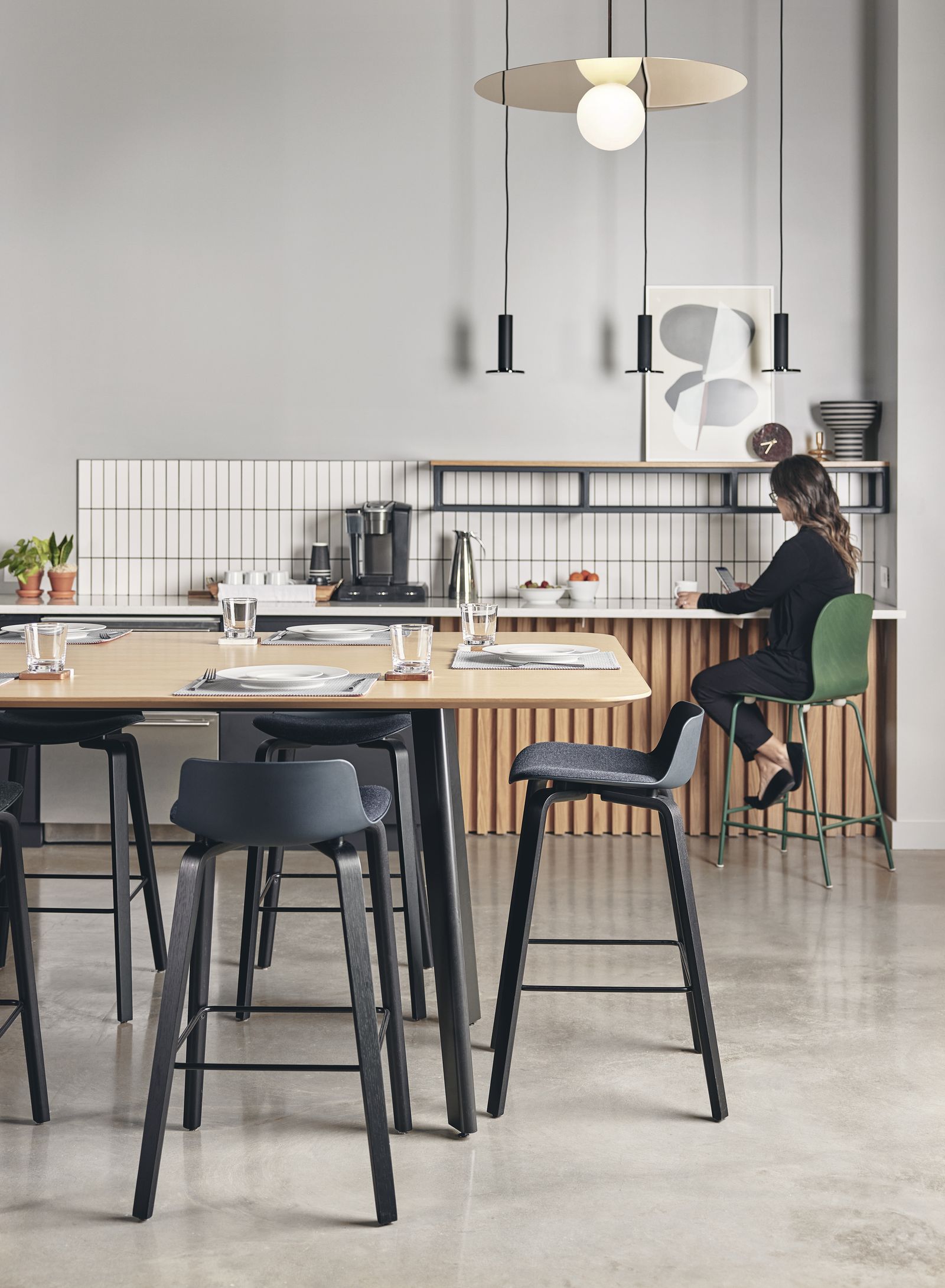
- Bar furniture: Restaurant chairs and bar stools carry different duty cycles; a well-chosen bar stool earns more revenue per square foot than almost anything else; restaurant bar stools need footrests, cleanable seats, and commercial-grade swivels.
- Outdoor restaurant furniture: An outdoor patio extends your dining space for half the year, and folding tables make seasonal resets painless. Choose outdoor furniture with powder-coated frames, and give every outdoor table an umbrella plan and drainage-friendly top.
Spacing rules hold the whole plan together: leave at least 18 inches between occupied chairs and keep aisles in the dining area wide enough for trays and mobility aids. A dining room that gets spacing right feels generous even at full seating capacity.
Mastering the Seating Mix: Chairs, Stools, and Banquettes
A dining room filled with identical four-top tables is visually boring and operationally inefficient. To maximize your “covers” (the number of people you can seat), you need a diverse mix of commercial furniture in Boise.
The Power of the Banquette
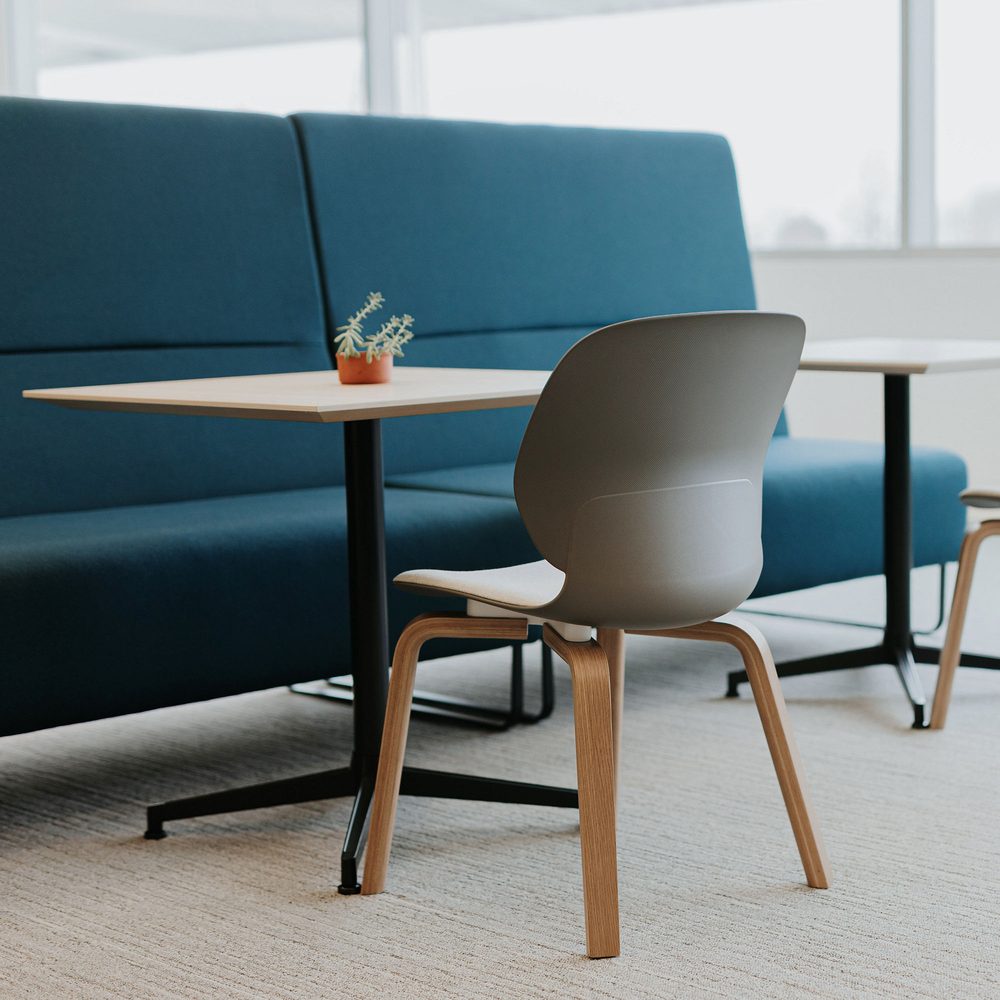
Banquettes (fixed upholstered benches along walls) are the secret weapon of restaurant design.
- Space Efficiency: They allow you to “anchor” tables, requiring less clearance than individual chairs.
- Flexibility: A long banquette can easily accommodate a party of two, four, or ten by simply sliding tables together.
- The “Anchor” Effect: Guests naturally gravitate toward “anchor” seating where their backs are to a wall, making these the most popular seats in the house.
Bar and Counter Seating
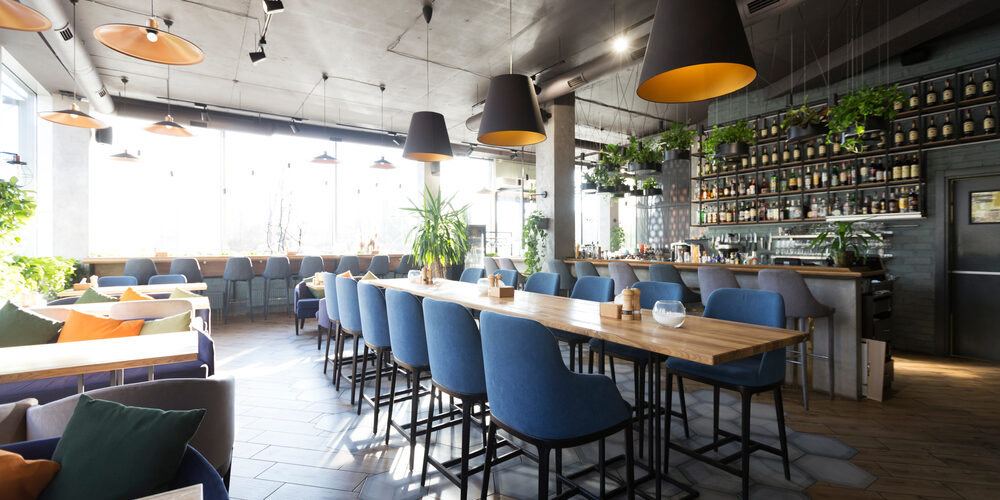
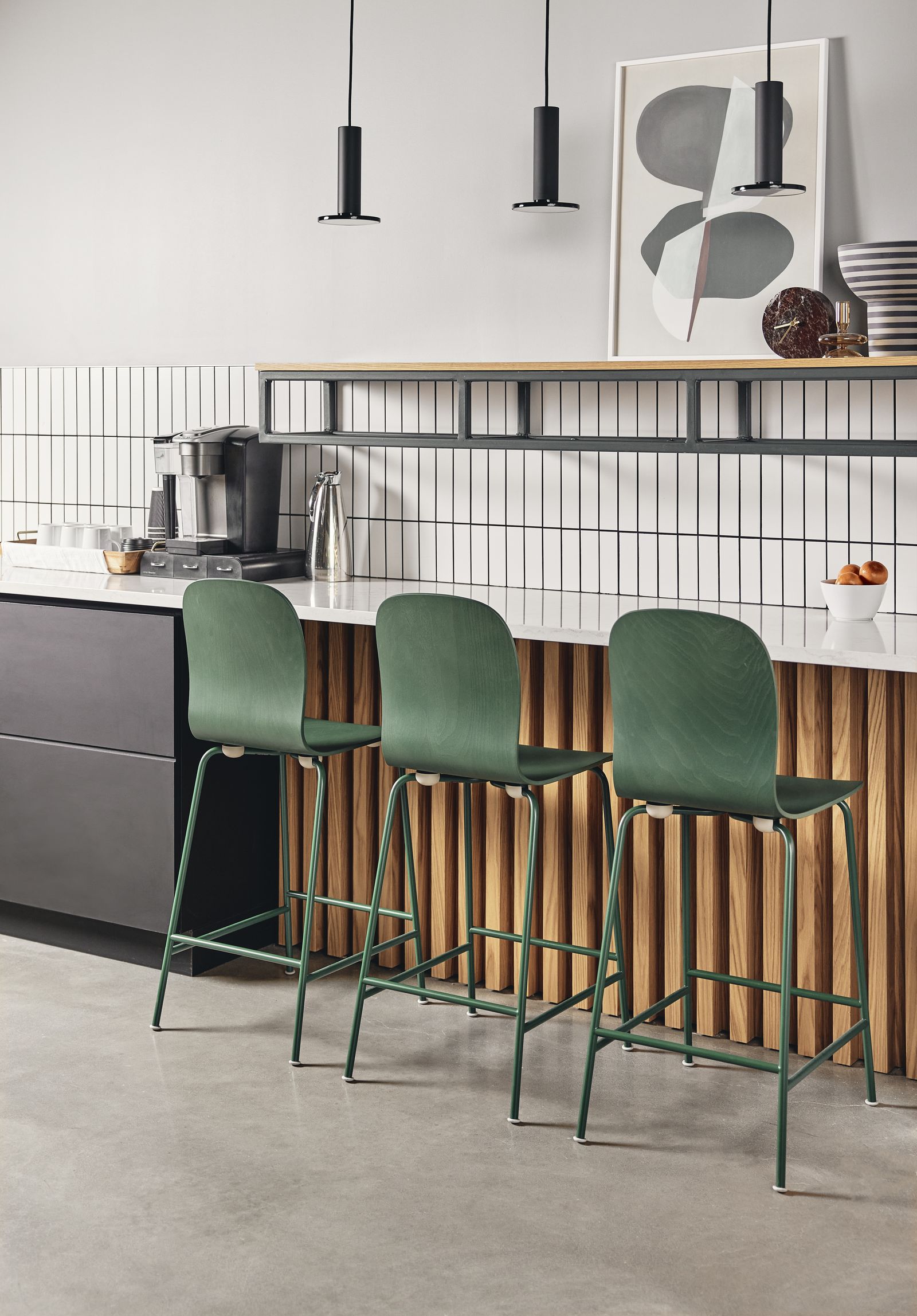
Don’t overlook the bar. High-top stools provide a casual alternative for solo diners or those waiting for a table. Make sure your stools have footrests; a guest whose legs are dangling will become uncomfortable and leave sooner, reducing your bar revenue.
Hospitality Seating From Our Haworth Lineup
As a Haworth dealer, we get asked which contract lines survive real dining rooms. Our first answer is Maari. The contoured polymer shell wipes clean between seatings, the frames run from stackable four-leg steel to warm wood dowel legs, and the shell colors cover more than a dozen options, so the same chair can read modern bistro or neighborhood cafe.

The same shell carries to a bar-height stool, which solves a quiet problem in hospitality interiors: counter seating that looks related to the dining chairs instead of ordered from a different catalog. Every piece carries a contract warranty and is built for daily commercial turnover, not living room duty. We keep both on our showroom floors, so you can sit before you spec.
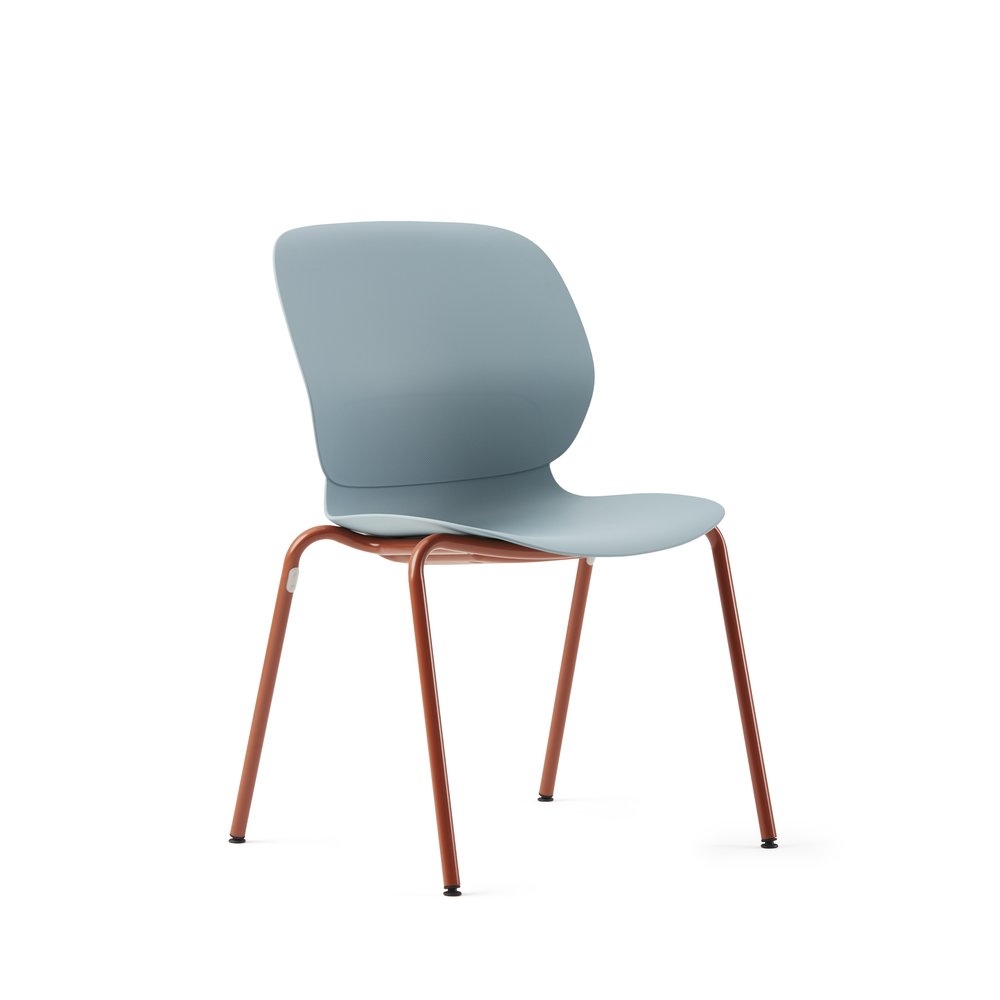
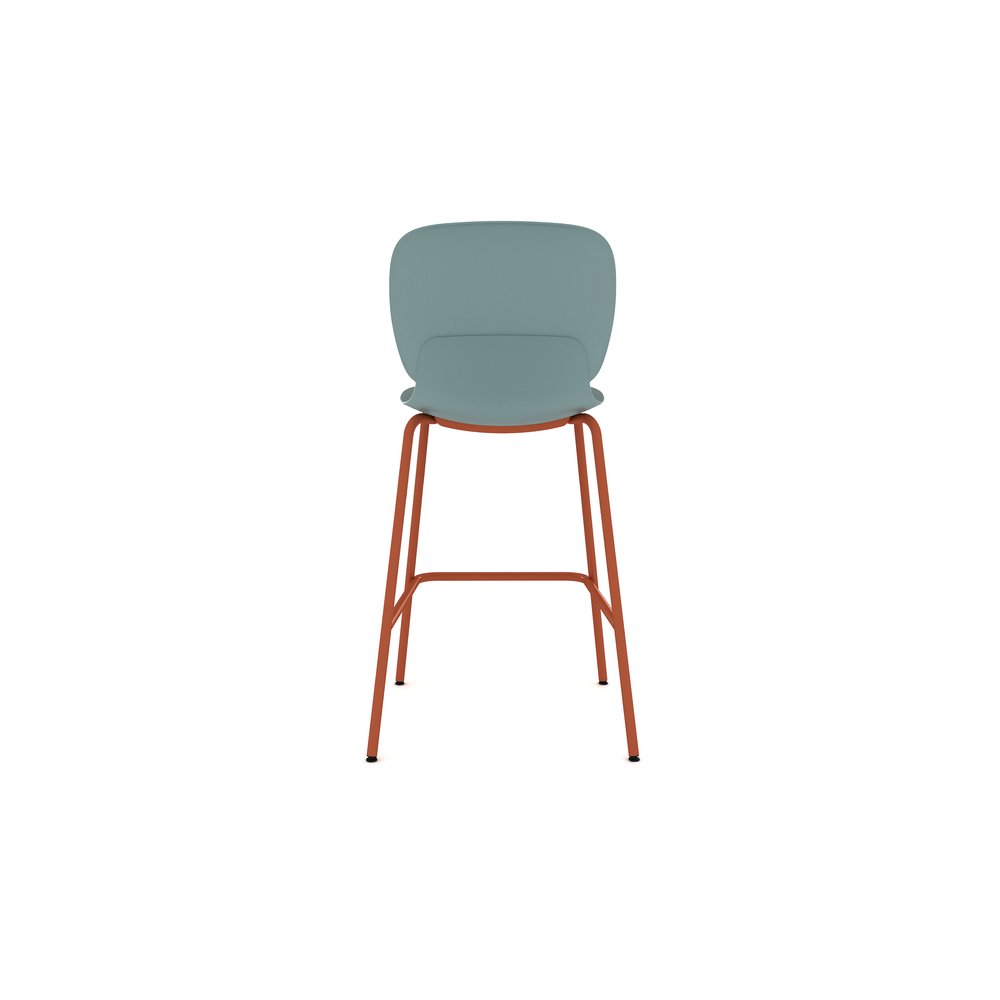
Table Selection: Shape, Size, and Material
Tables are the workhorses of your dining room. The shape you choose dictates the social energy of the space.
Shape Psychology
- Round Tables: Foster conversation and feeling of equality. They are great for small groups but difficult to “combine” for larger parties.
- Square Tables: The most versatile. They can stand alone or be pushed together to form long banquet rows.
- Rectangular Tables: Ideal for communal dining or large families, creating a high-energy, social atmosphere.
Material Science
The table surface is a major part of your tactile brand.
- Solid Wood: Warm and luxurious, but requires maintenance (oiling or refinishing).
- Laminate: Extremely durable and cost-effective, available in endless textures.
- Stone/Marble: Stunning and heavy, but porous and prone to “etching” from acidic foods like lemons or vinegar.
Freeform’s in-depth service includes guiding you through these material pros and cons, helping you select restaurant furniture in Pasco that looks as good on day 1,000 as it did on day one.
Ergonomics: The Science of “The Sit”
If a chair is beautiful but uncomfortable, your guest will remember the backache, not the risotto.
Key Dimensions to Watch:
- Seat Height: Standard is 18 inches for chairs and 30 inches for barstools.
- Table Clearance: There should be approximately 10-12 inches between the seat of the chair and the underside of the table.
- Aisle Width: To achieve smooth service, main aisles should be at least 36 inches wide to allow servers with trays to pass guests comfortably.
The Aesthetic of Impact: Color, Texture, and Light
Furniture shouldn’t just be functional; it should be art. This is where the creative vision of Freeform truly shines. They understand that commercial furniture is a primary driver of your interior design.
- Color Palettes: Warm tones (reds, oranges, deep woods) are known to stimulate appetite. Cool tones (blues, greens) are calming and work well for cafes or breakfast spots.
- Texture: Mixing materials, like leather upholstery with cold steel or reclaimed wood with velvet, creates “visual friction” that makes a space feel curated and high-end rather than “out of a box.”
Future-Proofing: Maintenance and Sustainability
When choosing the best furniture, you must consider the “After.” How easy is it to clean? Can it be repaired?
Maintenance Accessibility
Choose fabrics with high “Double Rub” counts (a measure of abrasion resistance) and make sure that wooden surfaces are sealed with commercial-grade polyurethane. If you choose upholstered pieces, look for “performance fabrics” that are moisture-wicking and stain-resistant.
The Sustainability Shift
Modern diners care about the planet. Opting for furniture made from reclaimed materials or certified sustainable forests isn’t just good for the earth; it’s a powerful marketing story. Freeform can help you source ethical manufacturers who prioritize green building standards, adding another layer of value to your brand.
Why Partner with Freeform?
The process of furnishing a restaurant involves hundreds of moving parts; shipping logistics, assembly, spatial planning, and budget management. Attempting to manage this alone while also hiring a kitchen staff and perfecting a menu is a recipe for burnout.
Freeform acts as your primary collaborator. Their services extend far beyond simple procurement. They offer:
- Expert Curation: A deep knowledge of the best commercial furniture brands in the industry.
- Logistical Mastery: Managing lead times so your furniture arrives exactly when the paint is dry; not three weeks late.
- Strategic Design: Making sure that your restaurant furniture isn’t just pretty, but is a calibrated tool designed to maximize your square footage and your bottom line.
Conclusion: Investing in the Guest Journey
Choosing the best furniture for your restaurant is one of the most significant investments you will make. It is an investment in your guests’ comfort, your staff’s efficiency, and your brand’s longevity. By prioritizing commercial-grade durability, ergonomic precision, and a strategic mix of seating styles, you create a space that does more than just hold people; it holds their attention. With the guidance of the experts at Freeform, you can navigate the complexities of the furniture market with confidence, guaranteeing that every seat in your house is the best seat in the house.
Ready to bring your vision to life? Explore the possibilities and see how the right environment can elevate your brand. Contact us today to schedule a consultation and begin the journey toward a world-class dining environment.